

INTRODUCTION
Road construction is a vital aspect of infrastructure development, playing a pivotal role in connecting communities and facilitating economic growth. However, the construction of roads inherently poses numerous risks and challenges, making safety a top priority. Ensuring the well-being of workers and the public requires the implementation of robust safety measures throughout the entire construction process. In this blog, we will delve into the importance of safety in road construction and explore a comprehensive guide to effective safety measures.
UNDERSTANDING THE RISKS
-
Heavy Equipment Operation:
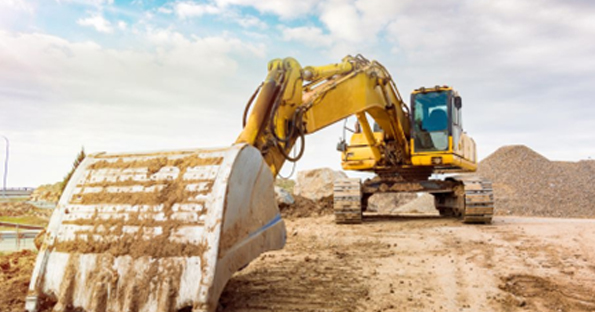
The operation of heavy machinery such as excavators, bulldozers, and cranes poses a significant risk. Accidents involving these machines can result in severe injuries or fatalities. -
Work Zone Traffic:
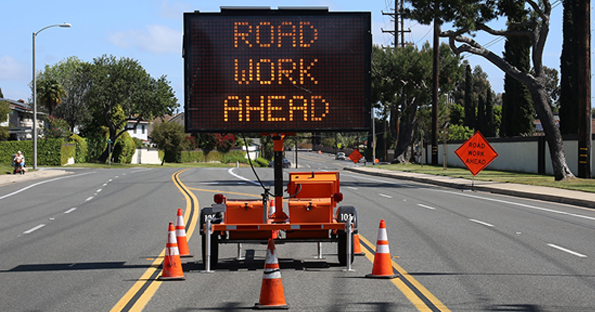
Road construction often takes place in or near active traffic zones. Workers and equipment are vulnerable to collisions with passing vehicles, emphasizing the need for effective traffic control measures. -
Falls and Elevated Work:
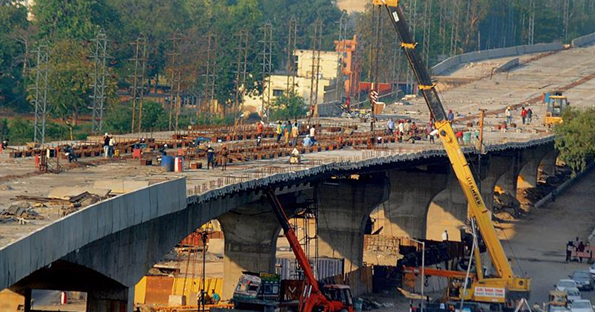
Many road construction tasks involve working at heights, such as bridge construction or elevated roadway segments. Falls from heights are a leading cause of injuries in the construction industry. -
Hazardous Materials:
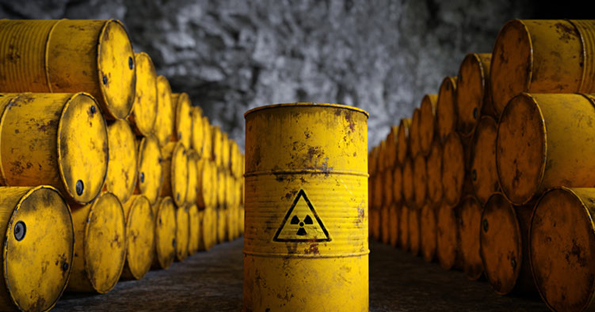
The use of chemicals and materials in road construction, such as asphalt and concrete, can expose workers to harmful substances. Proper handling and storage are essential to prevent health risks. -
Trenching and Excavation:
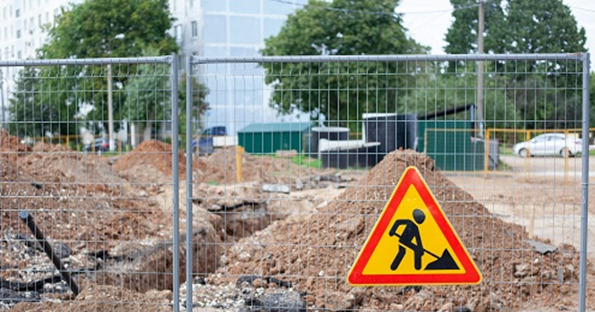
Digging trenches and excavating for road foundations can lead to cave-ins and other hazards if proper precautions are not taken. -
Weather Conditions:
Adverse weather, such as rain, snow, or extreme heat, can create slippery surfaces and reduce visibility, increasing the likelihood of accidents.
COMPREHENSIVE SAFETY MEASURES
-
1. Pre-Construction Planning:
- Risk Assessment: Conduct a thorough risk assessment before commencing any road construction project. Identify potential hazards and develop strategies to mitigate risks.
- Safety Training: Provide comprehensive safety training for all workers, including proper operation of equipment, emergency procedures, and the correct use of personal protective equipment (PPE). -
2. Traffic Management:
- Traffic Control Plans: Develop and implement well-designed traffic control plans to manage the flow of vehicles in and around construction zones. This includes the use of signs, barricades, and flaggers.
- Work Zone Signage: Clearly mark work zones with appropriate signage to alert drivers to the presence of construction activities and changes in road conditions. -
3. Personal Protective Equipment (PPE):
- Mandatory Gear: Enforce the use of appropriate PPE, including hard hats, high-visibility clothing, gloves, and steel-toed boots. Ensure that workers are equipped with the necessary protective gear for their specific tasks. -
4. Heavy Equipment Safety:
- Operator Training: Only trained and certified operators should be allowed to operate heavy machinery. Regularly update training to include new safety procedures and equipment features.
- Equipment Inspections: Conduct routine inspections of all construction equipment to identify and address potential issues promptly. -
5. Fall Protection:
- Guardrails and Barriers: Install guardrails and barriers on elevated work platforms to prevent falls. Ensure that these safety measures comply with industry standards and regulations.
- Fall Arrest Systems: Implement fall arrest systems, such as safety harnesses and lanyards, for workers working at heights. Provide adequate training on the proper use of fall protection equipment. -
6. Emergency Response:
- First Aid Stations: Establish well-equipped first aid stations at convenient locations on the construction site. Ensure that all workers know the location of these stations and are trained in basic first aid.
- Emergency Evacuation Plans: Develop and communicate clear emergency evacuation plans for various scenarios, including accidents, fires, and extreme weather events. -
7. Communication:
- Daily Briefings: Conduct daily safety briefings to communicate potential hazards, review safety protocols, and address any concerns raised by workers.
- Clear Communication Channels: Establish clear communication channels between workers, supervisors, and management to facilitate the reporting of safety concerns and incidents. -
8. Environmental Considerations:
- Proper Waste Disposal: Implement proper waste disposal practices to prevent environmental contamination. Dispose of hazardous materials according to regulations.
- Erosion Control: Implement erosion control measures, such as silt fences and sediment basins, to prevent soil runoff into nearby water bodies. -
9. Regular Inspections:
- Site Inspections: Conduct regular site inspections to identify potential safety hazards and ensure that safety measures are being followed.
- Equipment Checks: Regularly inspect and maintain construction equipment to prevent malfunctions that could lead to accidents. -
10. Weather Monitoring:
- Weather Alerts: Use weather monitoring systems to receive timely alerts about adverse weather conditions. Temporarily halt construction activities during severe weather to ensure the safety of workers. -
11. Community Engagement:
- Public Awareness: Engage with the local community to raise awareness about ongoing road construction projects. Communicate potential disruptions and advise on alternative routes. -
12. Continuous Improvement:
- Incident Analysis: Conduct thorough investigations of any accidents or near-miss incidents. Use the findings to improve safety protocols and prevent similar incidents in the future.
- Training Updates: Regularly update safety training programs to incorporate the latest industry standards and best practices.
CONCLUSION
Implementing comprehensive safety measures in road construction is not only a legal requirement but also a moral obligation to protect the well-being of workers and the public. A proactive approach to safety, including thorough planning, effective communication, and continuous improvement, is essential to create a secure construction environment. By prioritizing safety at every stage of road construction, we can ensure the successful completion of projects while minimizing the risks associated with this complex and challenging industry.